
Knightsbridge London
Dental Hygiene
Prevention and rehabilitation for gum disease
Dental hygiene is crucial for maintaining both oral health and overall well-being. Click here for 10 reasons why dental hygiene is so important.
The scrape of instruments against enamel, cold water, and occasional sensitivity make hygiene appointments a source of dread for many patients.
At our London practice, our hygienists are trained in nervous patient care and take a gentle, thorough approach. Complimentary gas and air transforms your cleaning into a genuinely relaxing experience.
FEATURED ON:

The scrape of instruments against enamel, cold water, and occasional sensitivity make hygiene appointments a source of dread for many patients.
At our London practice, our hygienists are trained in nervous patient care and take a gentle, thorough approach. Complimentary gas and air transforms your cleaning into a genuinely relaxing experience.
There are 3 main forms of Dental Hygiene
Routine dental hygiene
Routine dental hygiene uses manual hand scalers or ultrasonic scalers to scrape off visible plaque and hardened tartar (calculus) from above and below the gum line. This is a largely reactive process that focuses on visible established debris. It can be quite painful.
What is Guided Biofilm Therapy?
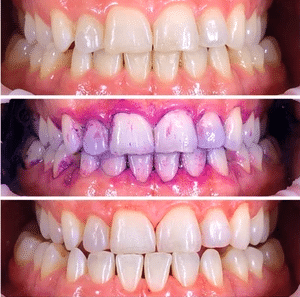
Guided Biofilm Therapy is completed as part of your regular appointment with your hygienist. This technique is aided by the use of a disclosing solution or chewable tablet, to highlight areas where biofilm appears.
Your hygienist will use AirFlow® technology to clear away all bacteria (biofilm) present, which may contribute to tooth decay and gum disease in the future.
Airflow
The Airflow device is used during the cleaning process to remove biofilm and stains. It sprays a mixture of water, air, and powder onto the tooth surface, which gently eliminates plaque and stains without using traditional scaling tools. This procedure can take place as part of a routine cleaning or within the GBT protocol.

Rebuilding Confidence, Step by Step
Avoiding the dentist can lead to worsening dental issues, affecting confidence, comfort, and overall health.
We’re here to gently break that cycle.
With the Right Support, You Can:
Rebuild trust in dental care
Complete treatment without distress
Improve your oral health
Feel confident in your smile again
This isn’t just about dentistry—it’s about helping you feel in control again.
Take the first small step today.
What are the benefits of Guided Biofilm Therapy?
Not only is this technique highly effective, but Guided Biofilm Therapy is minimally invasive and gentle, meaning that you can be confident, content and relaxed during treatment. Airflow® is so gentle, it can be used on natural teeth, braces, and implants with ease.
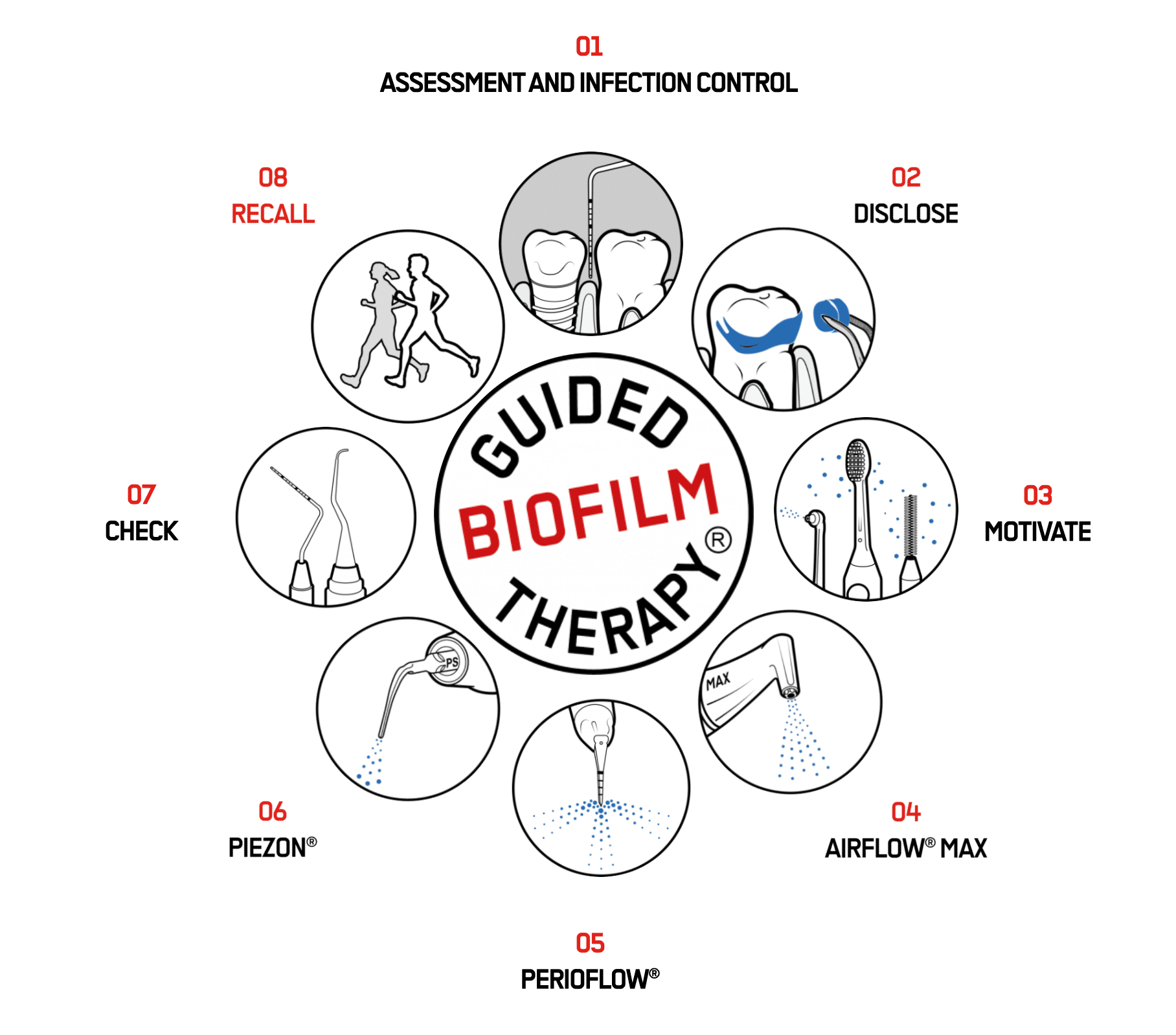
Guided Biofilm Therapy (GBT) is the gold standard advanced 8 stage systematic process to remove biofilm, plaque, and stains. Although it is the most effective form of dental hygiene, it is minimally invasive, so is the most gentle. The protocol is designed to be proactive, targeting biofilm early to stop it from becoming harmful, focusing on both disease prevention and maintaining oral health over time
GBT focuses on long-term prevention. By systematically managing biofilm and monitoring its presence over time, GBT helps patients avoid issues like gum disease, tooth decay, and implant complications. It also emphasises patient education and home-care habits to reduce biofilm buildup between visits.
It is suitable for all patients, with periodontal disease, braces, dental implants and particularly those with sensitivity.
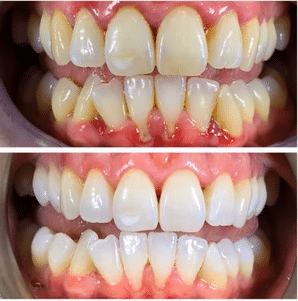
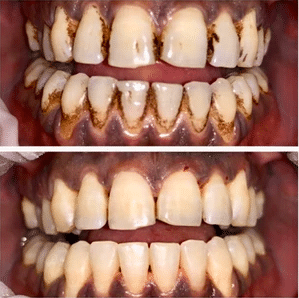
Results using GBT
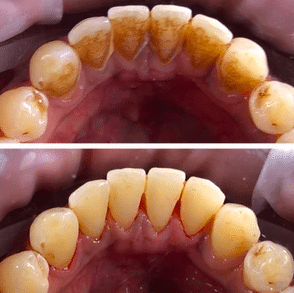
How can Serene by Dr Safa help?
If treatment is required, your dentist/hygienist will clean your teeth for you. During this visit, they will remove any calculus (hard build-up that with brushing alone cannot be removed). You’ll then be given an in-depth tutorial to keep gums in a tip-top condition that will be reviewed regularly until your clinical gingival health is restored. Think of your gums as the foundation upon which a great smile sits.
Your comfort always comes first
Complimentary gas and air for nervous patients
Stop-at-any-time hand signals
Clear explanations before each step
Gentle, unhurried appointments

Start your treatment feeling relaxed and supported
Book a calm, no-pressure consultation at Serene Dental
(Complimentary gas and air available for nervous patients)
Benefits Guided Biofilm Therapy
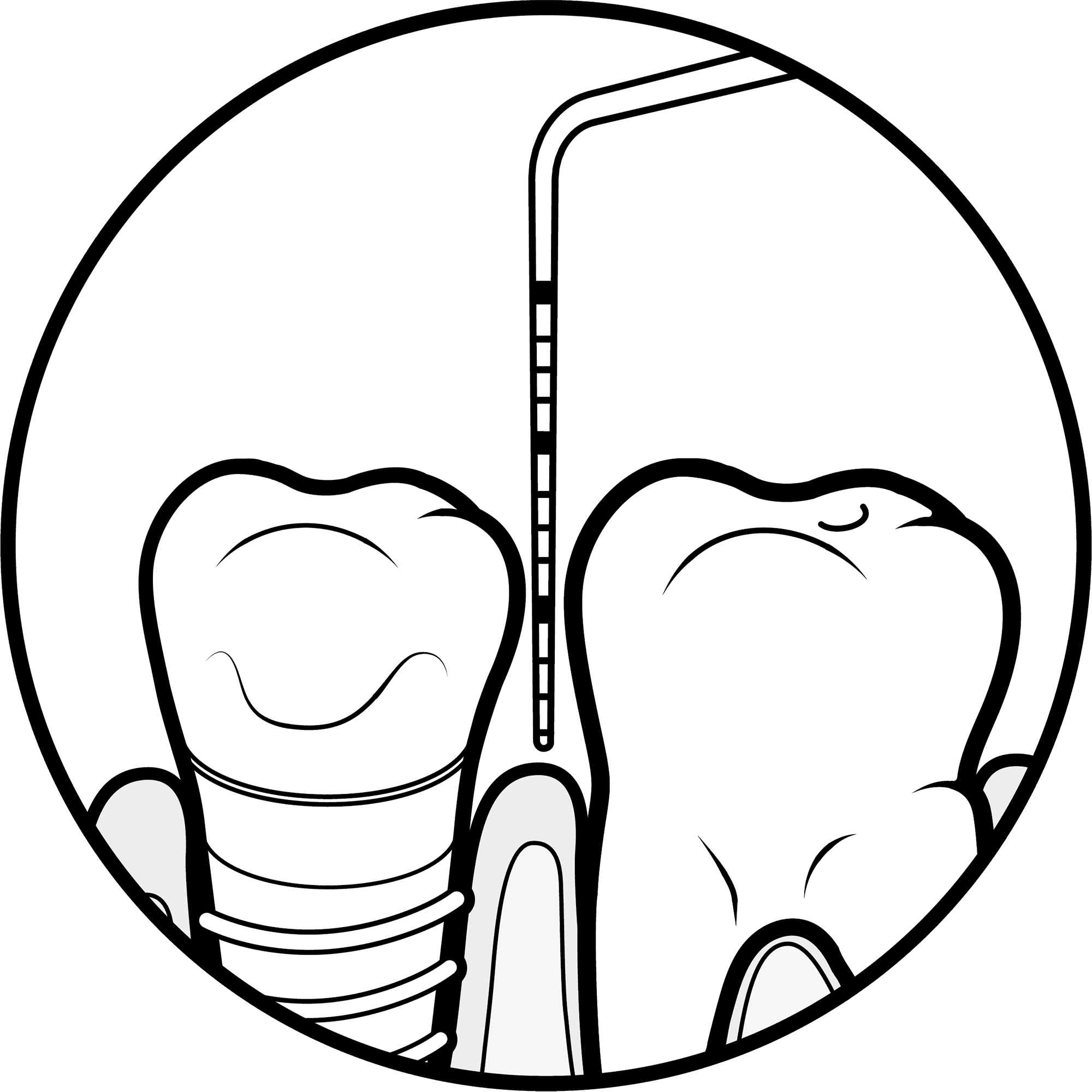
1. Assess
Every appointment starts with a full assessment of the teeth and gum health. You'll also get an oral cancer screening at every visit.
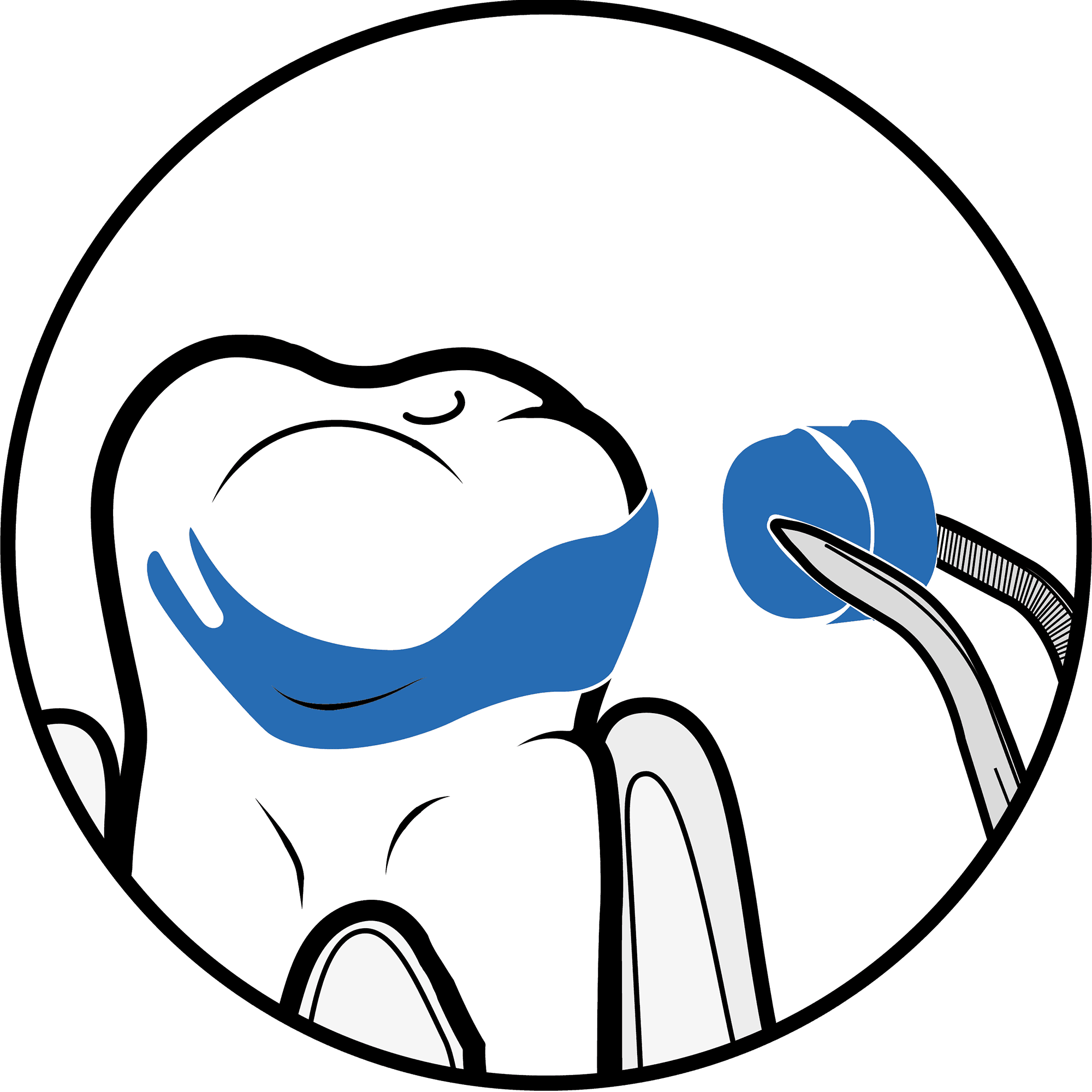
2. Disclose

3. Motivate

4. AirFlow
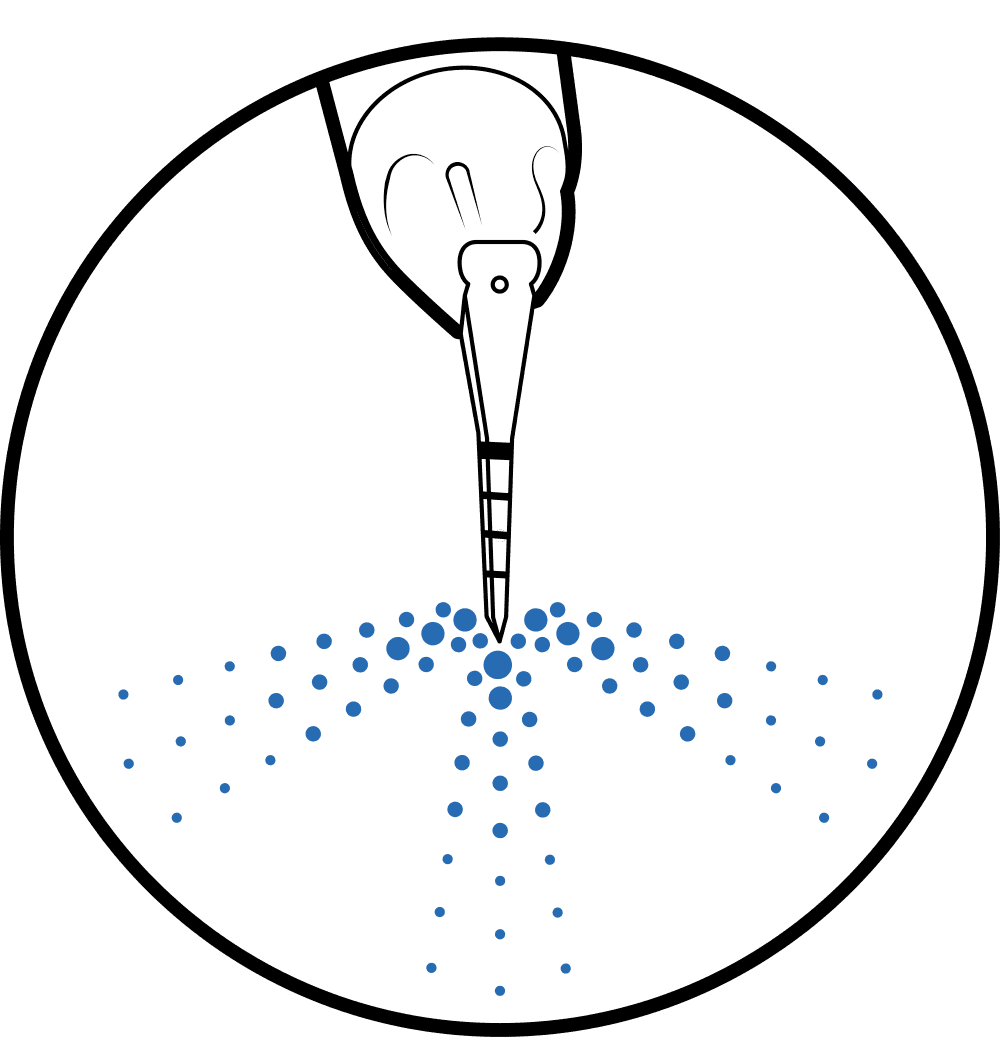
5. Piezon
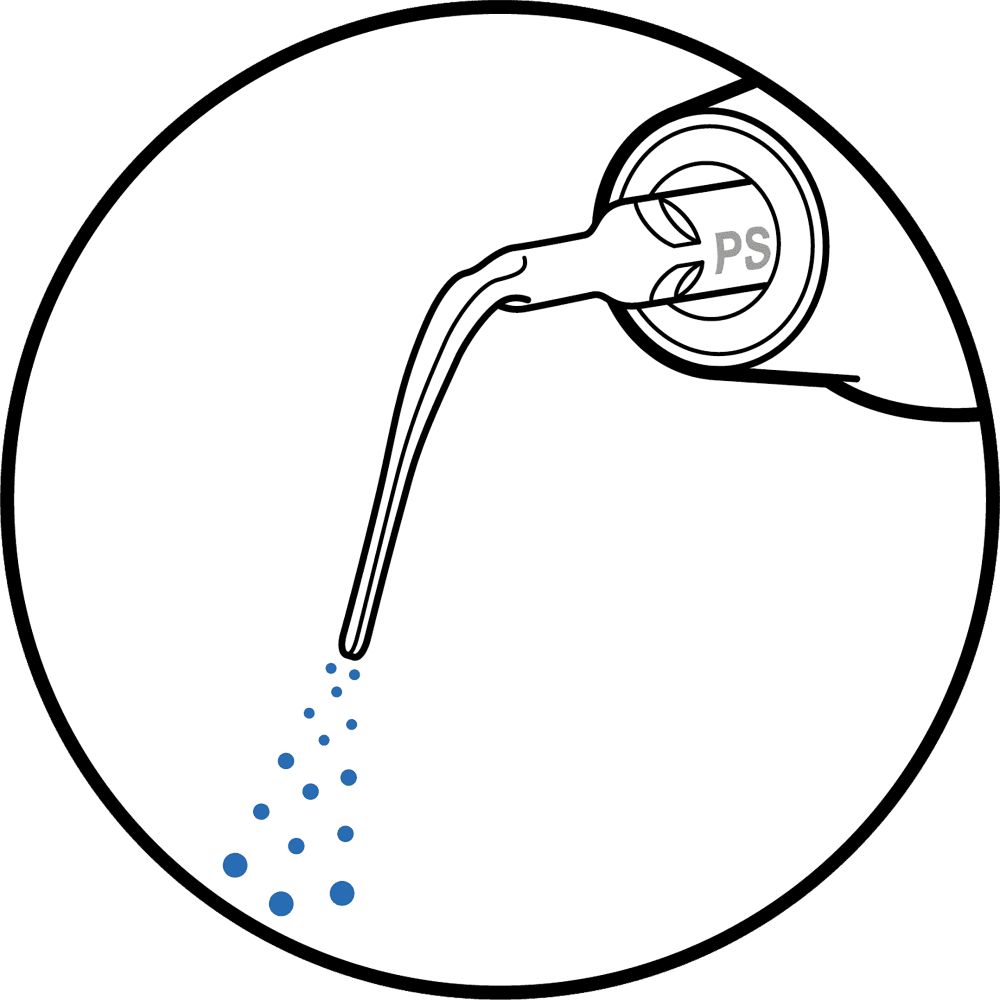
6. Perioflow
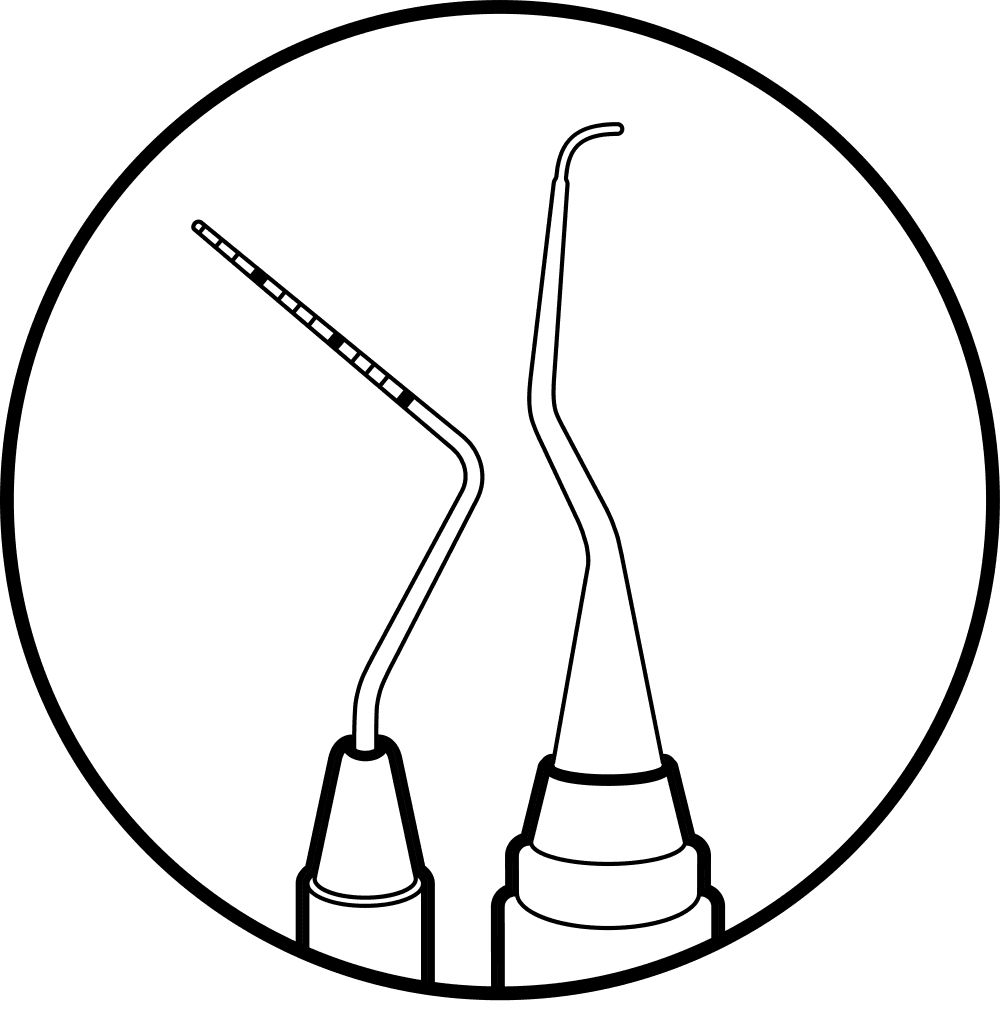
7. Check

8. Recall
Long Term Benefits
Unlike routine dental hygiene, GBT focuses on long-term prevention. By systematically managing biofilm and monitoring its presence over time, GBT helps patients avoid issues like gum disease, tooth decay, and implant complications. It also emphasizes patient education and home-care habits to reduce biofilm buildup between visits.
Importance of Dental Hygiene?
Dental hygiene is crucial for maintaining both oral health and overall well-being. Here are key reasons why dental hygiene is so important:
Prevention of Tooth Decay and Cavities
- Regular brushing, flossing, and professional cleanings help remove plaque, a sticky film of bacteria that forms on teeth. If left untreated, plaque can harden into tartar, leading to tooth decay and cavities.
- Maintaining good dental hygiene helps to prevent the formation of cavities, which can lead to tooth damage, pain, and more extensive dental treatments like fillings or crowns.
Avoiding Tooth Loss
- Gum disease and untreated cavities can eventually lead to tooth loss. Consistent dental hygiene, including regular visits to the dentist, helps to preserve the natural structure of your teeth and prevent tooth loss from decay or periodontal disease.
- Once a tooth is lost, it can impact chewing, speech, and cause shifting of other teeth, leading to more serious complications.
Maintaining Fresh Breath
- Poor dental hygiene often results in bad breath (halitosis), caused by the buildup of food particles and bacteria in the mouth. Regular brushing, flossing, and dental cleanings remove these particles and reduce bacteria that contribute to bad breath.
Enhancing Aesthetic Appearance
- Good dental hygiene helps keep teeth white, clean, and stain-free. Regular brushing and professional cleanings remove surface stains caused by foods, beverages (such as coffee and tea), and habits like smoking, helping to maintain an attractive smile.
Prevention of Tartar Buildup
- Plaque, when not regularly removed, hardens into tartar (calculus), which can only be removed by a dentist or hygienist. Tartar can cause both gum disease and tooth decay. By practicing good oral hygiene, you minimize plaque buildup and prevent the formation of tartar.
Prevention of Gum Disease (Periodontal Disease)
- Gum disease is one of the most common consequences of poor dental hygiene. It begins with gingivitis, characterized by red, swollen, and bleeding gums, and can progress to periodontitis, where the gums and supporting bone are damaged.
- Proper brushing and flossing help remove biofilm and bacteria from the gum line, reducing the risk of infection, inflammation, and ultimately, tooth loss.
Early Detection of Oral Health Issues
- Regular dental hygiene appointments provide an opportunity for early detection of potential oral health problems, such as:
Cavities: Gum disease, Oral infections, Oral cancer. - Early detection often leads to simpler, more effective treatments, preventing the progression of oral health issues into more severe problems.
Systemic Health Benefits
- Research shows a strong connection between oral health and overall health. Poor dental hygiene can contribute to or worsen several systemic health conditions.
Improved Confidence and Quality of Life
- A healthy smile contributes to self-confidence and can positively impact social and professional interactions. Dental hygiene helps maintain a bright, clean smile, improving how you feel about your appearance.
- Additionally, maintaining oral health reduces the likelihood of discomfort or pain from dental issues, improving your overall quality of life.
Saving Money in the Long Run
- Preventive dental hygiene practices, such as regular cleanings and exams, are far less expensive than treatments for advanced dental problems like root canals, extractions, gum surgeries, or dental implants.
- Consistent oral hygiene can help avoid costly and invasive dental procedures by preventing decay, gum disease, and other complications from developing.